치킨이 한국음식이라고? — 하지만 한국 치킨은 다르다
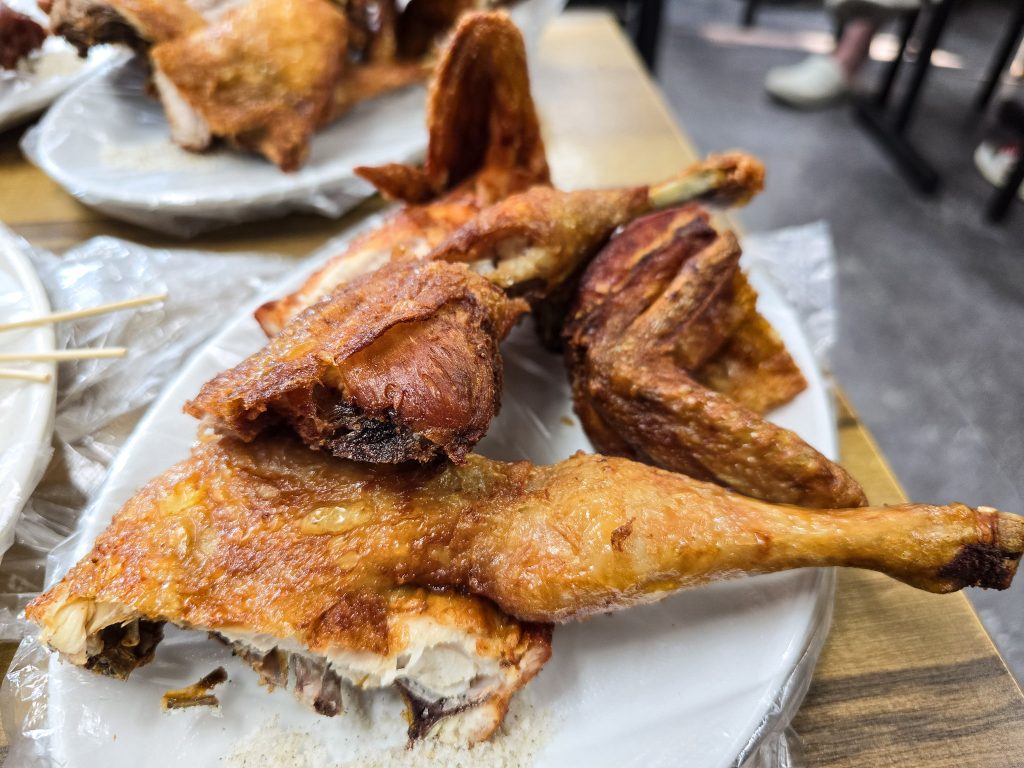
“치킨이 한국음식이라고?”
누구나 한 번쯤 이렇게 되묻는다.
물론 닭튀김의 원조는 한국이 아니다. 서양에서는 오래전부터 ‘프라이드치킨’이 사랑받아 왔고, 미국 남부나 유럽 일부 지역에서는 지역을 대표하는 음식으로 자리 잡았다. 하지만 오늘날 전 세계에서 Korean Fried Chicken이라는 이름으로 불리며 별미로 인정받는 치킨은, 단순한 서양식 튀김닭과는 확연히 다르다.
한국식 치킨의 매력은 단순한 튀김 기술이 아니라 그 안의 ‘변주’에 있다.
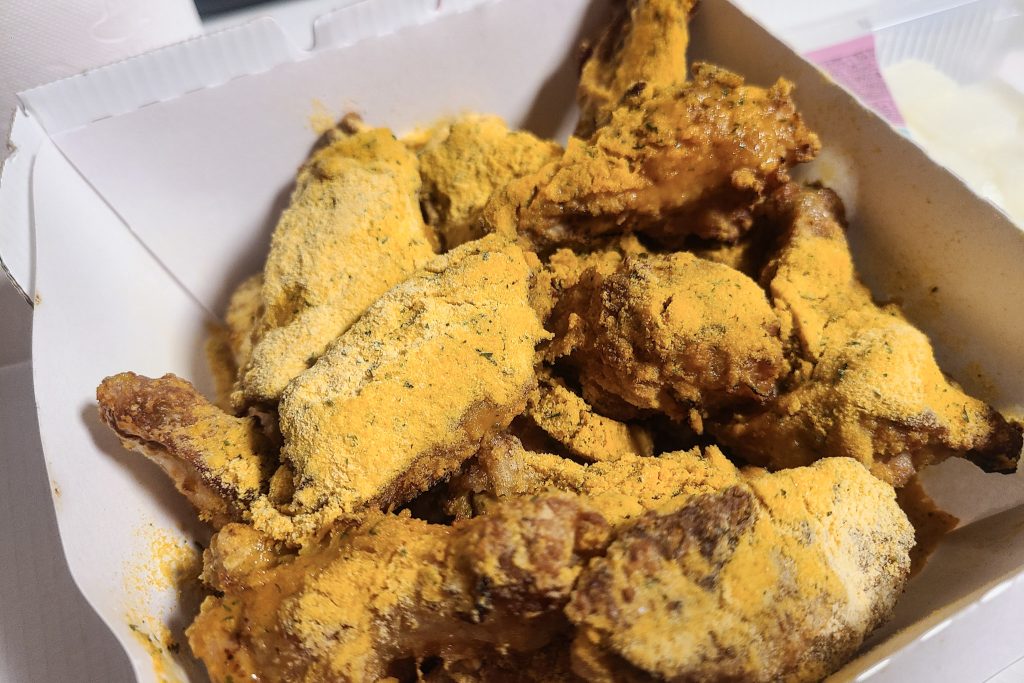
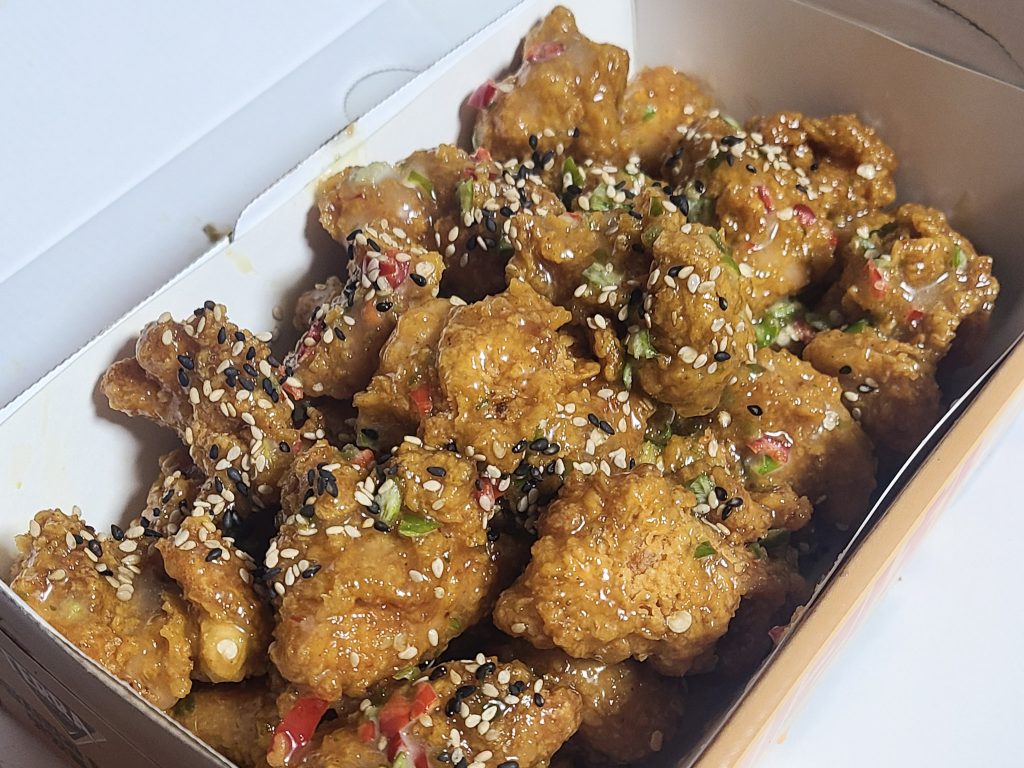
기본이 되는 프라이드치킨 위에 수많은 양념과 조리법이 더해지면서 하나의 새로운 음식문화로 발전했다. 대표적인 메뉴인 양념치킨은 바삭하게 튀긴 닭에 고추장 베이스의 매콤달콤한 소스를 입힌 것으로, 1980년대 한국에서 처음 등장했다. 이후 간장치킨, 마늘치킨, 파닭, 치즈치킨 등 다양한 스타일이 생겨났고, 브랜드마다 자신만의 양념 레시피를 개발하며 경쟁하고 있다. 튀김옷 또한 다양하다. 얇고 바삭한 전분 튀김, 고소한 밀가루 튀김, 두 번 튀겨 식감을 극대화한 방식까지—‘겉바속촉(겉은 바삭, 속은 촉촉)’이라는 표현은 한국식 치킨을 상징하는 문장으로 자리 잡았다.
한국 치킨이 특별한 이유는 조리법뿐 아니라 먹는 문화에서도 찾을 수 있다.
한국인에게 치킨은 단순한 한 끼가 아니라 하루의 피로를 달래는 작은 위로이자, 함께 나누는 즐거움의 상징이다. 퇴근 후 시원한 맥주 한 잔과 즐기는 ‘치맥(치킨+맥주)’ 문화는 이미 세계적으로 알려져 있다. 주말 밤이면 골목마다 치킨집 불빛이 켜지고, 배달 오토바이의 소리가 도시의 리듬처럼 들린다. 친구들과 스포츠 경기를 보며 시켜 먹는 치킨, 비 오는 날 맥주와 함께 즐기는 치킨, 혹은 특별한 날의 간단한 축하 식사로 곁들이는 치킨까지—한국인의 일상 속에서 치킨은 늘 ‘함께’ 존재한다.
한국을 찾는 외국인들도 곧 이 문화를 경험한다.
한국에서는 배달이 빠르고, 메뉴의 종류가 다양하며, 맛의 완성도가 높다. 단순한 프라이드치킨뿐 아니라 매운맛 단계를 조절할 수 있는 불닭, 달콤한 간장치킨, 고소한 버터갈릭 치킨 등 취향에 따라 선택할 수 있다. 여기에 곁들여지는 치킨무(무절임), 맥주나 탄산음료, 때로는 라면이나 떡볶이 같은 사이드 메뉴까지, 한국식 치킨은 이미 하나의 완성된 식문화로 자리 잡았다.
이제 치킨은 ‘K-Food’의 대표 메뉴 중 하나로 손꼽힌다.
서울에는 3만 개가 넘는 치킨 전문점이 있고, 전국 어디서나 쉽게 치킨집을 찾을 수 있다. 해외에서도 한국 브랜드들이 빠르게 확산되고 있으며, 드라마나 예능 프로그램 속에서 등장하는 ‘치킨과 맥주’의 장면은 자연스럽게 한국의 밤을 상징하는 이미지가 되었다. 단순한 배달 음식이 아닌, 한국인의 생활 속 리듬과 감정을 담은 대표적 음식으로 발전한 것이다.
결국 한국식 치킨은 서양의 프라이드치킨을 단순히 재현한 결과물이 아니다.
한국인의 입맛과 조리 감각, 그리고 ‘함께 나누는 즐거움’이 더해져 전혀 새로운 형태로 진화한 현대적 한식의 한 갈래라 할 수 있다. 바삭한 식감, 다양하고 정교한 양념, 그리고 이를 함께 즐기는 문화까지—모든 요소가 어우러져 지금의 한국식 치킨을 완성했다.
그래서 “치킨이 한국음식이라고?”라는 질문에는 이렇게 답할 수 있다.
“원조는 아니지만, 지금 세계에서 가장 완성도 높은 치킨은 한국에 있다.”
Is Fried Chicken a Korean Food? — Not Exactly, but Korean Chicken Is Something Else
“Is fried chicken really a Korean food?”
It’s a fair question—and the answer is, of course, no. Fried chicken did not originate in Korea. Long before it became popular in Asia, the dish was already a staple in Western cuisine, particularly in the southern United States and parts of Europe. Yet today, Korean Fried Chicken has become a global phenomenon, celebrated as something distinctly its own.
The charm of Korean chicken lies not in the act of frying itself, but in the creative evolution that followed. What began as simple fried chicken has turned into an entire category of flavor. The most iconic example is yangnyeom chicken, coated in a spicy-sweet sauce made with gochujang (Korean red chili paste). First introduced in the 1980s, it sparked a revolution. Soon came soy garlic chicken, green-onion chicken (padak), cheese-coated chicken, and countless others. Each restaurant has its own secret sauce, and even the batter varies—from crisp potato starch coatings to thin wheat flour layers, or double-fried versions known for their signature crunch. The phrase “crispy outside, juicy inside” perfectly captures what makes Korean chicken special.
What also sets it apart is the culture around it.
In Korea, chicken is more than just a meal—it’s comfort food, a social ritual, and often the reward at the end of a long day. The famous chimaek (chicken + maekju, meaning beer) culture is now recognized worldwide. On weekends, neon signs of chicken shops light up neighborhoods, and the sound of delivery scooters fills the streets. People order chicken to share while watching sports, to celebrate small victories, or simply to unwind. It’s an integral part of everyday Korean life, representing togetherness as much as taste.
Foreign visitors quickly discover this side of Korean culture too.
Korean chicken is famous for its variety, speed of delivery, and consistently high quality. From classic fried chicken with salt to sweet soy, garlic butter, or extra-spicy bul-dak (fire chicken), there’s a version for every palate. It’s commonly served with pickled radish, a cold drink—beer or soda—and sometimes even side dishes like instant noodles or tteokbokki (spicy rice cakes). Altogether, it forms a complete and well-balanced “late-night meal culture.”
Today, Korean fried chicken has become one of the leading ambassadors of K-Food.
There are more than 30,000 chicken restaurants in Seoul alone, and nearly every neighborhood has one within walking distance. Korean chicken brands are rapidly expanding overseas, while scenes of characters eating chicken and beer in K-dramas have turned into a cultural symbol of “the Korean night.” It’s no longer just delivery food—it’s a reflection of Korea’s pace, emotion, and sense of shared joy.
Ultimately, Korean-style chicken is not a mere adaptation of Western fried chicken.
It’s a product of Korean taste, creativity, and social rhythm—an example of how an imported dish can evolve into something entirely new. With its refined seasoning, perfectly fried texture, and culture of sharing, Korean chicken has become a true emblem of modern Korean cuisine.
So when someone asks, “Is fried chicken really a Korean food?”
The best answer might be this:
“No, but the best fried chicken in the world just might be found in Korea.”
0 Comments