한국인에게 “매워요?”라는 질문이 의미 없는 이유
외국에서 “이 음식 매워요?”라는 질문은 대체로 단순하다. 그건 “이 요리에 매운맛이 있나요?” 혹은 “고추가 들어갔나요?”라는 의미다. 하지만 한국에서 같은 질문을 던지면 전혀 다른 대답이 돌아온다. 대부분의 한국인은 이렇게 말할 것이다. “아니요, 안 매워요.” 그리고 그 직후, 외국인은 대개 땀을 흘리며 물을 찾는다.
이 미묘한 오해는 ‘매운맛의 기준’이 서로 다르기 때문에 생긴다. 한국인에게 “맵다”는 말은 단순히 고추가 들어있다는 뜻이 아니다. 혀가 얼얼하고 땀이 날 정도의 강도—즉, 상당히 자극적인 수준이 되어야만 “맵다”고 표현한다. 반면 외국인에게는 살짝 매콤한 정도도 이미 “spicy”의 영역이다. 결국 한국에서 “안 매워요”라는 말은 ‘먹을 만한 수준이에요’ 혹은 ‘한국 기준으로는 평범해요’라는 의미에 가깝다.
이 현상은 단순한 언어의 차이를 넘어, 문화적 감각의 차이에서 비롯된다. 한국은 오랜 세월 동안 고추와 함께 살아온 나라다. 김치, 고추장, 청양고추, 고춧가루—매운맛은 한국 음식의 뿌리이자 정체성이다. 어릴 때부터 김치찌개, 떡볶이, 라면 등 매운 음식을 자연스럽게 먹어 온 한국인들에게 매운맛은 익숙한 일상의 감각이다. 그래서 한국인들의 ‘맵기 바로미터(기준선)’는 이미 세계 평균을 훨씬 넘어 있다.
이른바 “맵기의 감각이 고장난 민족”이라는 농담이 있을 정도다. 예를 들어, 외국인에게는 한입도 힘든 ‘불닭볶음면’을 한국인들은 야식으로 즐기고, 심지어 “그건 별로 안 매워요”라며 고추기름이나 청양고추를 더 넣는다. ‘맵찔이(매운 음식을 잘 못 먹는 사람)’라는 단어가 따로 존재할 정도로, 한국 사회에서는 매운맛을 견디는 능력이 일종의 ‘체력’이나 ‘자존심’처럼 여겨지기도 한다.
이런 문화 속에서 ‘매운 밈(meme)’ 같은 음식들도 등장했다. 매운 라면, 매운 치킨, 매운 떡볶이, 매운 닭발 등은 이미 하나의 장르다. 심지어 “세상에서 제일 매운 OO”이라는 수식어가 붙은 메뉴들이 끊임없이 출시된다. 누가 얼마나 매운 음식을 버틸 수 있는지를 시험하는 유행, ‘매운맛 챌린지’ 같은 콘텐츠는 한국에서 흔히 볼 수 있다. 이런 현상은 매운맛을 단순히 ‘미각’이 아니라 ‘놀이’나 ‘도전’의 영역으로 인식하는 문화적 특징을 보여준다.
결국 한국인에게 “맵냐?”는 질문은 객관적인 맛의 질문이 아니라, 상대적인 감각의 문제다. “맵다”와 “안 맵다” 사이에는 개인의 경험과 문화가 개입한다. 한국인에게 안 매운 음식이 외국인에게는 충분히 맵고, 한국인에게 매우 매운 음식은 다른 나라 사람들에게는 거의 ‘위험한 수준’일 수도 있다.
그래서 한국 음식점에서 “이거 맵나요?”라고 물으면, 그 대답은 단순히 “Yes or No”가 아니라, 이렇게 해석해야 한다.
“한국인 기준으로는 안 맵습니다.”
“하지만 당신 기준에서는… 글쎄요, 모를 일입니다.”
매운맛은 한국 문화의 일부이자, 한국인의 미각을 대표하는 상징이다. 그만큼 한국에서 “맵냐?”는 질문은 단순한 맛의 확인이 아니라, 한국인의 감각 체계와 생활 문화를 이해하기 위한 출발점에 가깝다. 그러니 다음에 누군가 “안 매워요”라고 말하더라도, 살짝 긴장하며 물 한 컵쯤 준비해 두는 게 좋을 것이다.
Why Asking “Is It Spicy?” Makes No Sense in Korea
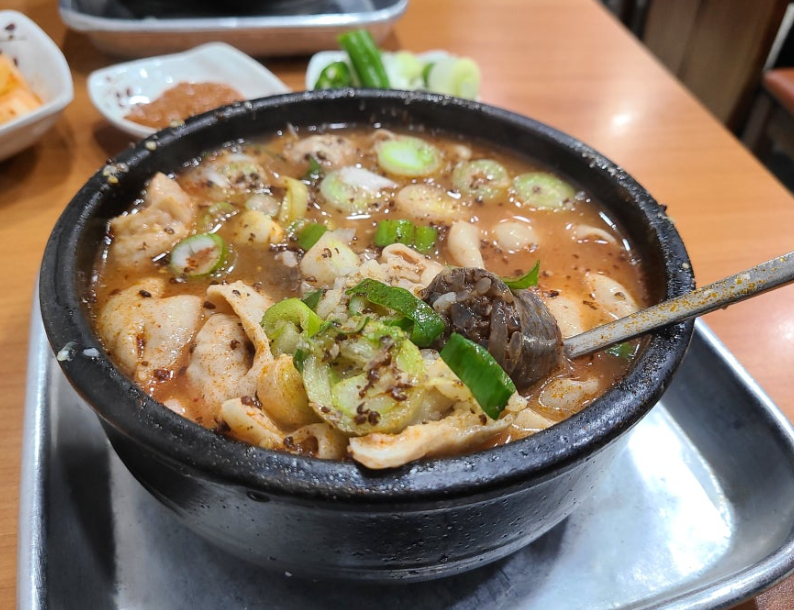
When foreigners ask, “Is this food spicy?” the question usually means, “Does this dish contain chili or have a bit of heat?” But in Korea, the same question produces a very different answer. Most Koreans will say, “No, it’s not spicy,” — and moments later, the foreign diner will be sweating, gasping for air, and reaching for a glass of water.
The confusion comes from different standards of what “spicy” means. For many Koreans, something isn’t truly maepta (spicy) unless it burns the tongue, brings tears to the eyes, or makes you reach for tissues.
A light tingle or mild heat doesn’t even register as “spicy” — it’s just flavor. In contrast, for most foreigners, even a little chili warmth already qualifies as spicy. So when a Korean says, “It’s not that spicy,” what they really mean is, “It’s fine by Korean standards — you’ll probably be okay.”
This isn’t just a linguistic issue — it’s cultural. Korea has lived with chili for centuries. Kimchi, gochujang (red chili paste), cheongyang chili peppers, and spicy stews are all staples of everyday life. From a young age, Koreans grow up eating foods that would challenge most people elsewhere. As a result, their “spiciness barometer” is set far higher than that of most other countries. It’s often said — half-jokingly — that “Koreans have broken spice sensors.”
Take the infamous Buldak-bokkeum-myeon (fire noodles) as an example. For many foreigners, even one bite can be overwhelming. Yet Koreans casually enjoy it as a late-night snack — and sometimes even add more chili oil or fresh peppers for “extra flavor.” There’s even a term, maepjjiri (a person who can’t handle spicy food), used playfully to tease those who can’t keep up. In a culture where endurance and resilience are valued, being able to “handle the heat” has become a subtle point of pride.
Over time, this national love for heat has evolved into a form of entertainment. There are countless “spicy challenge” foods and memes: fire chicken, ultra-hot ramen, tear-inducing tteokbokki, and even “the spiciest food in the world” restaurant menus. These dishes aren’t just about taste — they’re about testing limits. Spicy food in Korea has become both a culinary experience and a cultural game, one where people laugh, sweat, and compete.
So when you ask a Korean, “Is it spicy?” remember that it’s not a yes-or-no question — it’s a matter of perspective. If they say, “Not really,” what they actually mean is:
“Not spicy for me. But maybe for you, it might be another story.”
In Korea, spiciness isn’t just a flavor — it’s part of the culture. It’s woven into daily meals, shared jokes, and even national identity. That’s why asking “Is it spicy?” in Korea doesn’t have a simple answer.
Because in a country where the spice tolerance scale is off the charts, “not spicy” can still be very, very spicy.
0 Comments