한국 전철에서 꼭 지켜지는 다섯 가지 예절
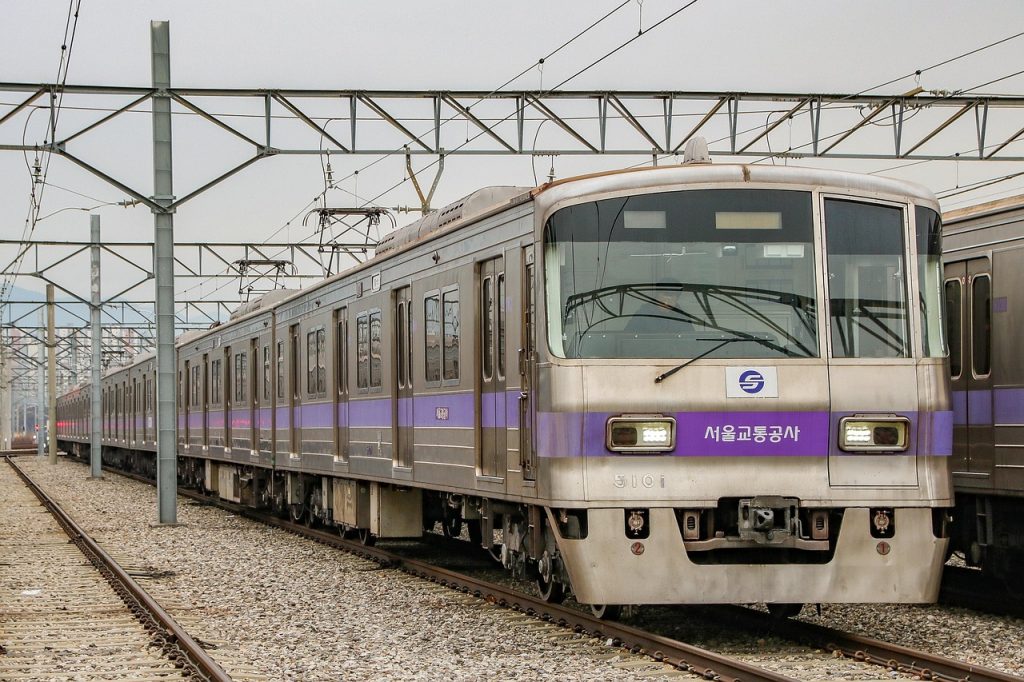
🚇 한국 전철에서 꼭 지켜지는 다섯 가지 예절
외국인들이 한국을 여행할 때 가장 놀라는 장소 중 하나가 바로 ‘전철’입니다. 한국의 지하철은 단순한 교통수단을 넘어, 한국 사회의 질서와 배려를 보여주는 공간이기도 합니다.
1) 노인좌석 — ‘배려’의 상징
한국 전철에는 모든 칸마다 노인석(노약자석)이 따로 있습니다. 이 좌석은 단순히 ‘노인 전용’이라기보다, 필요한 사람을 위한 자리라는 인식이 강합니다. 그래서 대부분의 승객들은 자리가 비어 있어도 함부로 앉지 않습니다. 피곤한 퇴근길에도 그 자리는 조용히 비워둔 채 서 있는 모습이 자연스러울 정도죠. 그것이 한국인들이 생각하는 ‘배려의 기본’입니다.
2) 임산부 배려석 — 작은 마음이 만든 큰 문화
임산부 전용 좌석은 분홍색으로 표시되어 있습니다. 앉을 수 있는 사람은 정해져 있지만, 이 좌석을 지키는 건 모두의 마음가짐이에요. 앉아 있던 사람이 임산부가 타면 자연스럽게 자리를 비워주고, 임산부가 없을 때도 대부분은 그 자리를 사용하지 않습니다. 한국에서는 이런 보이지 않는 배려가 일상 속에서 작동하고 있습니다.
3) 모두가 핸드폰만 보는 이유
처음 한국 전철을 타보는 외국인들은 이렇게 말하곤 합니다. 왜 다들 핸드폰만 보고 있지?
사실 그 이유는 단순합니다. 한국 전철은 전 구간 LTE·5G가 터지고, 무료 와이파이가 안정적으로 제공되기 때문입니다. 영상 시청, 웹서핑, 쇼핑, 뉴스, 메시지까지 거의 모든 일을 전철 안에서 할 수 있죠. 그래서 전철 안에서는 시끄러운 대화 대신 조용한 디지털 세상이 펼쳐집니다.
4) 놀라울 만큼 조용한 전철
한국 전철에서 가장 인상적인 부분은 정적(靜寂)입니다. 사람들이 통화하거나 큰 소리로 대화하는 일은 드뭅니다. 이는 공공장소에서는 타인에게 불편을 주지 않는다
는 한국 특유의 공공예절 의식 때문입니다. 덕분에 출근길의 전철은 붐비더라도 놀라울 만큼 조용하고 평화롭습니다.
5) 현금은 이제 사라졌습니다
한국의 전철에서는 현금으로 표를 사는 사람을 거의 볼 수 없습니다. 대부분은 교통카드(T-money)나 모바일 간편결제를 사용합니다. 외국인용 교통카드도 쉽게 구입할 수 있죠. 한국의 대중교통은 이미 완전히 비현금·디지털 시스템으로 운영되고 있습니다. ‘현금을 꺼내지 않아도 이동할 수 있는 나라’, 그게 바로 지금의 한국입니다.
🎬 참고 영상
아래 영상은 실제 한국 전철의 모습을 짧게 보여줍니다. 외국인이라면 단 몇 초만에 왜 한국이 예절 바른 나라로 불리는지
느끼실 거예요.
마무리
한국의 전철 예절은 누가 시켜서 생긴 규칙이 아니라, 서로를 배려하고자 하는 마음에서 자연스럽게 만들어진 문화입니다. 이 질서와 조용함은 불편함이 아니라, 모두가 편안하기 위한 약속입니다.
🚇 Five Etiquette Rules on Korea’s Subway
For many visitors, the subway is where Korea’s everyday manners become most visible. More than a way to get around, it’s a space that reflects the country’s sense of order and consideration for others.
1) Priority Seats for Seniors
Every car has clearly marked priority seats for seniors and those who need them. These seats are treated as “for those in need,” not merely “reserved.” Most riders will leave them empty, even when tired, because keeping them available is considered a basic act of courtesy.
2) Pink Seats for Expectant Mothers
Pregnancy seats are highlighted in pink. While designated, they’re respected by everyone. If a pregnant passenger boards, people offer the seat without fuss. Even when no one needs it, riders often leave it unused. It’s an example of Korea’s quiet, invisible kindness in daily life.
3) Why Everyone’s on Their Phone
First-time riders often ask, Why is everyone looking at their phone?
Because Korea’s subways provide strong LTE/5G coverage and free Wi-Fi throughout the network. Watching videos, reading the news, shopping, messaging—it’s all easy underground, which naturally keeps the cars calm and quiet.
4) Remarkably Quiet Cars
What surprises visitors most is the silence. Loud conversations and phone calls are rare. Many Koreans follow the unwritten rule: Don’t inconvenience others in public spaces.
Even during rush hour, trains remain orderly and peaceful.
5) Cashless by Default
It’s now uncommon to buy tickets with cash. Most people use a T-money transit card or mobile payments. Visitors can easily get their own transit card, too. Public transport in Korea runs on a fully cashless, digital system—you can move around the city without ever taking out cash.
🎬 Video
This short clip shows what the subway actually feels like in Korea—you’ll quickly see why the system is praised for its manners and efficiency.
Conclusion
Subway etiquette in Korea isn’t enforced by signs alone—it’s a culture shaped by mutual respect. The quiet and order aren’t rigid rules; they’re a shared promise that makes the ride comfortable for everyone.
Tip for travelers: pick up a T-money card at convenience stores or subway stations, and remember to keep your voice low on trains. Small courtesies go a long way in Korea.
0 Comments