비빔밥보다 뜨거운 한국인의 소울푸드, 국밥
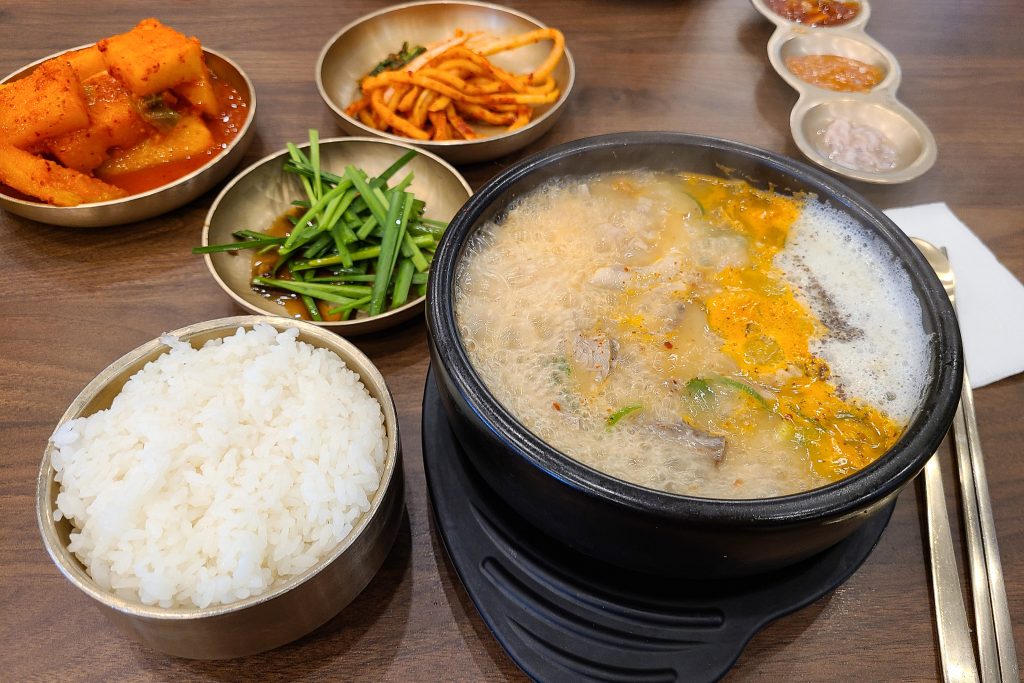
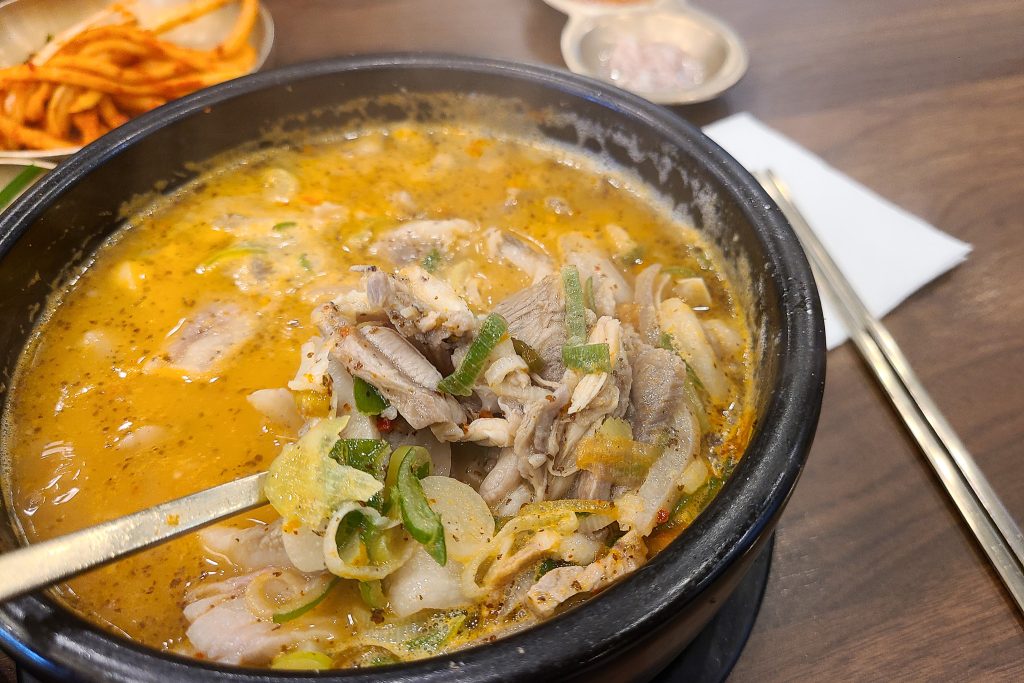
한국을 대표하는 음식으로 흔히 ‘비빔밥’, ‘불고기’가 떠오른다. 하지만 실제 한국인, 특히 남성들이 일상 속에서 가장 자주 찾는 음식 중 하나를 꼽자면 단연 ‘국밥’이다. 국밥은 이름 그대로 국(국물 요리)과 밥을 한 그릇에 담은 단순한 조합이지만, 그 안에는 한국인의 생활 방식과 정서가 고스란히 담겨 있다. 바쁜 하루 속에서도 따뜻한 한 끼를 간편하게 해결할 수 있고, 언제 어디서나 비슷한 맛과 위안을 얻을 수 있다는 점에서 국밥은 한국인에게 가장 ‘실용적인 위로의 음식’이라 할 수 있다.
국밥은 크게 국물의 색과 재료, 그리고 지역별 특성에 따라 다양한 형태로 나뉜다. 그중에서도 가장 기본이 되는 형태는 하얀국밥이다. 하얀국밥은 국물이 뽀얗고 부드러운 것이 특징으로, 소뼈나 사골, 잡뼈 등을 오래 끓여 얻은 육수가 중심이 된다. 국물에는 기름기가 적당히 감돌고 고소한 단맛이 배어 있다. 대표적인 메뉴로는 설렁탕, 곰탕, 갈비탕이 있으며, 이들은 대체로 간이 세지 않아 소금과 후추, 다진 파, 다진 마늘 등을 개인의 취향에 따라 더해 먹는다. 국밥의 기본 반찬이라 할 수 있는 김치와 깍두기가 함께 나오며, 단출하지만 깊은 맛으로 묵직한 만족감을 준다.
이와 달리 빨간국밥은 고춧가루와 고추기름, 다대기(양념장)를 넣어 국물에 붉은 빛을 더한 형태다. 뼈해장국, 순댓국, 선지해장국, 돼지국밥이 대표적이며, 매운맛 속에 기름기와 단백질이 어우러져 체력을 회복시켜 주는 음식으로 꼽힌다. 특히 돼지국밥은 지역마다 조리법과 맛이 다르다. 부산식 돼지국밥은 맑고 구수한 사골국물에 돼지 머리 고기와 내장을 넣고, 부추무침과 새우젓을 곁들여 먹는다. 반면 대구식 돼지국밥은 다대기를 풀어 빨갛고 칼칼한 국물을 내는 것이 특징이다. 빨간국밥은 기본 양념 외에도 부추, 들깻가루, 다진 마늘 등을 자유롭게 넣어 먹을 수 있어, 한 그릇 안에서도 개인의 취향이 뚜렷하게 드러난다.
맑은국밥은 조미료나 양념을 최소화한 담백한 국물로, 속을 편안하게 하는 음식이다. 대표적인 예로 콩나물국밥이 있다. 전주 콩나물국밥은 아삭한 콩나물, 반숙 달걀, 김가루가 어우러져 시원하고 깔끔한 맛을 내며, 숙취 해소용으로도 널리 사랑받는다. 그 외에도 북어국밥이나 소고기무국밥처럼 맑은 국물에 밥을 더한 형태가 많다. 맑은국밥은 화려하지 않지만, 아침식사로 가볍게 즐기기 좋고 속이 편해 남녀노소 누구나 찾는 메뉴다.
국밥은 전국 어디서나 볼 수 있지만, 지역에 따라 사용하는 재료와 조리법에는 뚜렷한 차이가 있다. 부산의 돼지국밥은 맑고 진한 사골육수에 돼지고기와 내장을 듬뿍 넣고 부추무침과 새우젓을 곁들인다. 전주의 콩나물국밥은 조선시대부터 내려온 서민 음식으로, 해장에 탁월하다. 대구의 따로국밥은 밥과 국을 따로 내는 방식으로, 국물의 맑고 깊은 맛이 특징이다. 진주의 소고기국밥은 맑은 육수에 고기와 숙주, 다진 파를 올려 담백한 풍미를 낸다. 충청도에서는 선지해장국이, 강원도에서는 황태국밥이, 전라도에서는 뼈다귀국밥이 대표적이다. 이처럼 국밥이라는 한 단어 속에는 지역의 재료와 기후, 그리고 생활문화가 녹아 있다.
국밥은 빠르게 먹을 수 있는 음식이지만, 만들어지는 시간은 길다. 뼈를 우려내고, 불순물을 걷고, 다시 끓이는 과정을 수차례 반복해야 비로소 완성된다. 그 정성과 시간이 쌓여 만들어진 한 그릇의 국밥은 단순한 ‘한 끼’가 아니라 하루를 버티게 하는 힘이 된다. 하얀국밥의 진한 깊이, 빨간국밥의 활기, 맑은국밥의 단정함—이 세 가지 색깔은 한국인의 삶과 닮아 있다. 그릇을 비우고 나면 몸이 따뜻해지고 마음이 안정되는 이유도, 그 속에 담긴 시간과 정성 덕분일 것이다. 국밥은 결국 한국인이 가장 오래, 그리고 가장 꾸준히 먹어온 생활의 음식이자, 세대를 넘어 사랑받는 한 그릇의 위로다.
Hotter Than Bibimbap: Gukbap, the Soul Food of Koreans
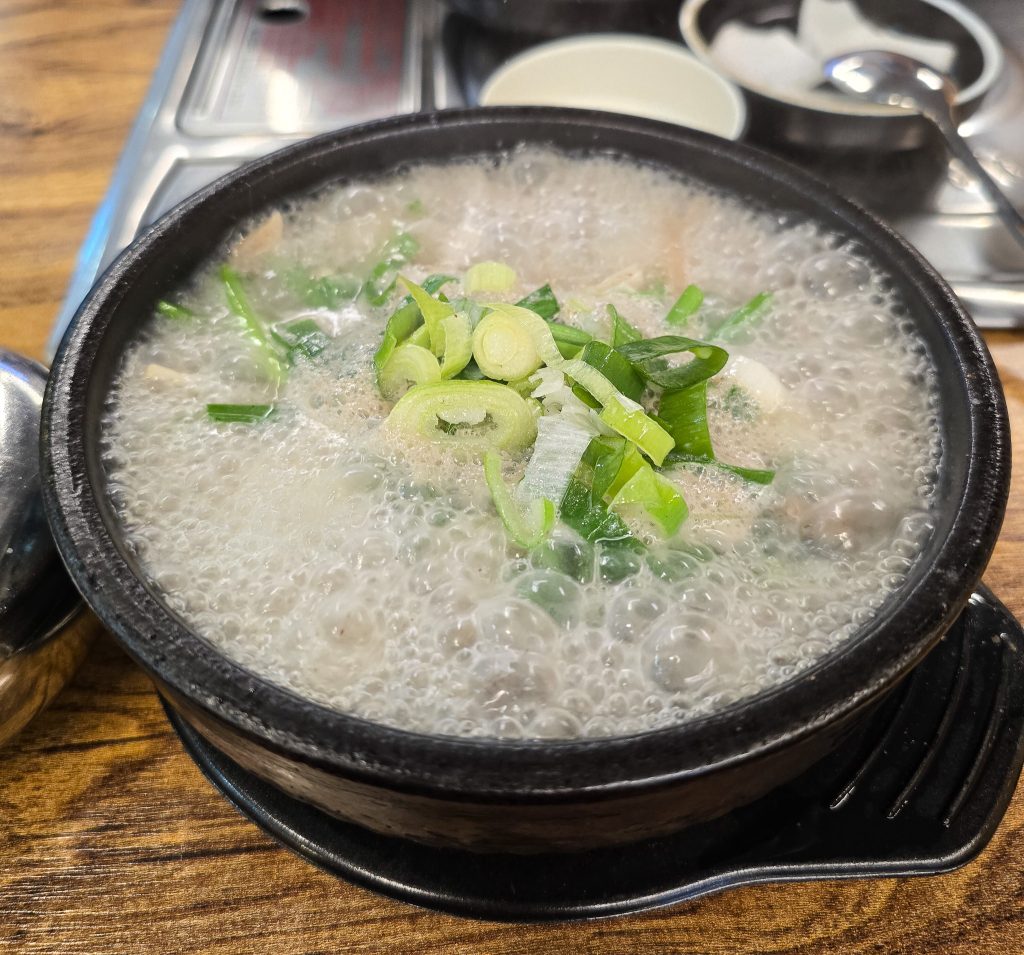
When people think of Korean food, dishes like bibimbap or bulgogi often come to mind. However, among Koreans—especially men—there’s another dish that holds a special place as an everyday comfort food: gukbap.
Literally translated as “soup with rice,” gukbap is a simple combination of two essentials: soup (guk) and rice (bap). Yet, inside that simplicity lies the rhythm of Korean daily life. It’s warm, filling, affordable, and familiar—qualities that make it one of the most beloved meals in Korea. For many, it’s not just food, but a moment of rest between the busyness of the day.
There are countless varieties of gukbap, often categorized by the color and base of the broth: white, red, and clear versions. Each style reflects different cooking methods, regional ingredients, and even the local climate.
The white gukbap features a rich, milky broth made by simmering beef bones or ox leg bones for hours until the flavor becomes deep and savory. Dishes like seolleongtang (ox bone soup), gomtang (beef bone soup), and galbitang (short rib soup) belong to this category. The broth itself is lightly seasoned, and diners usually add salt, pepper, minced garlic, or chopped scallions to taste. Kimchi and kkakdugi (radish kimchi) are must-have side dishes, completing the classic Korean gukbap experience with a clean yet comforting flavor.
Red gukbap takes a spicier approach. It’s seasoned with chili flakes, chili oil, and dadaegi (spicy paste), producing a deep red color and bold taste. Popular examples include sundae-gukbap (blood sausage soup), haejang-guk (hangover soup), pork bone soup, and pork gukbap. These hearty dishes are often enjoyed after a long day—or a long night—as they help restore energy. The regional variations are also striking: in Busan, the pork gukbap has a clear, savory broth made with pork head and bones, while in Daegu, the same dish is spicier, made by stirring in a generous spoonful of red dadaegi. Toppings such as garlic, buchu (chives), perilla powder, and salted shrimp let each person tailor the flavor to their preference.
Then there’s the clear gukbap, known for its light and refreshing broth. The most famous version is kongnamul-gukbap (bean sprout soup with rice), especially in Jeonju. Made with fresh bean sprouts, half-boiled egg yolk, seaweed flakes, and a touch of spicy seasoning, it’s gentle on the stomach and often considered a morning or hangover dish. Other variations include bukeo-gukbap (dried pollack soup with rice) and soegogi-mugukbap (beef and radish soup with rice), all appreciated for their clean, comforting flavor.
Although gukbap can be found throughout Korea, each region has its own version and identity. Busan’s pork gukbap is hearty and flavorful; Jeonju’s bean sprout gukbap is bright and refreshing; Daegu’s daro-gukbap serves rice and soup separately to highlight the purity of the broth; Jinju’s beef gukbap features clear soup with sliced beef and mung bean sprouts. In Chungcheong Province, seonji-haejangguk (blood curd soup) is popular, while Gangwon is known for hwangtae-gukbap (dried pollack soup), and Jeolla for its rich pyeo-dagwi-gukbap (pork bone soup). Each version mirrors the region’s local ingredients, traditions, and way of life.
Making gukbap may look simple, but it requires patience and time. Bones are boiled, impurities removed, and the broth is simmered again and again until the flavor reaches its peak. That slow process is what gives the dish its warmth and depth—transforming it from a quick meal into something closer to daily comfort.
White gukbap brings calm, red gukbap brings vitality, and clear gukbap brings lightness. Together, they represent the balance and resilience found in everyday Korean life. When the bowl is finally empty, it’s not just hunger that disappears—it’s fatigue, replaced by the quiet reassurance that another day can begin again.
Gukbap may not be as photogenic as bibimbap or as famous as bulgogi, but to many Koreans, it is the truest taste of home.
0 Comments